
Wabi Sabi
10 articles
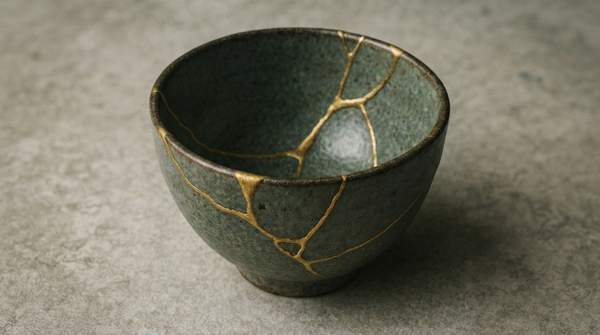
Seven Wabi-Sabi Principles and How They Shape Traditional Japanese Architecture
Discover the seven aesthetic principles of Wabi-Sabi—Fukinsei, Kanso, Koko, Shizen, Yūgen, Datsuzoku, and Seijaku—and how they are physically embodied in traditional Japanese architecture. Learn how asymmetry, simplicity, weathered beauty, and tranquility shape iconic spaces like tea houses and Zen gardens.
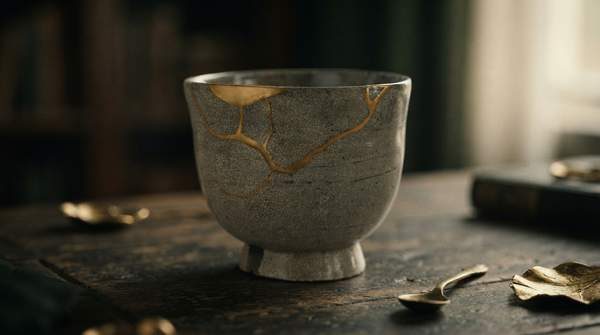
Kintsugi: How a 15th-Century Shogun's Broken Tea Bowl Became a Philosophy of Golden Repair
Kintsugi, the Japanese art of repairing broken pottery with gold, transforms breakage into beauty, honoring an object's history and imperfections. Originating from a shogun's dissatisfaction with traditional repairs, it has evolved into a profound philosophy of resilience and self-acceptance.
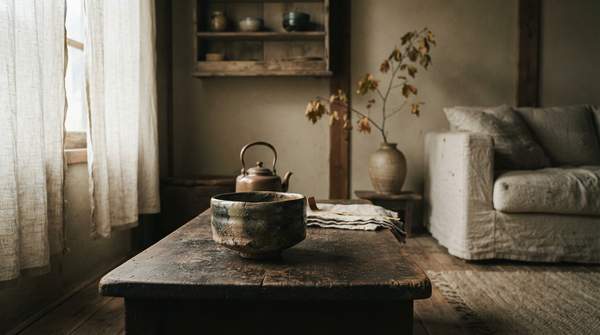
Wabi-Sabi at Home: How to Turn Imperfection, Transience, and Emptiness Into Design Choices
Wabi-Sabi is a Japanese aesthetic philosophy that embraces imperfection, transience, and simplicity to create serene, authentic living spaces. Learn how to translate these core principles into practical design choices for your home.
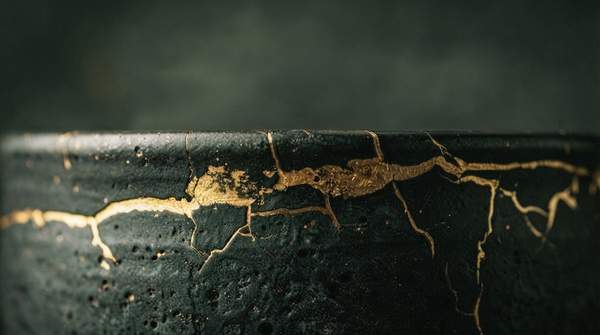
Kintsugi for Modern Life: Turning Setbacks Into Golden Seams
Kintsugi, the Japanese art of mending broken pottery with gold, offers a philosophy of honoring damage rather than hiding it. This practice serves as a powerful metaphor for reframing personal setbacks as valuable seams of resilience that enrich life.
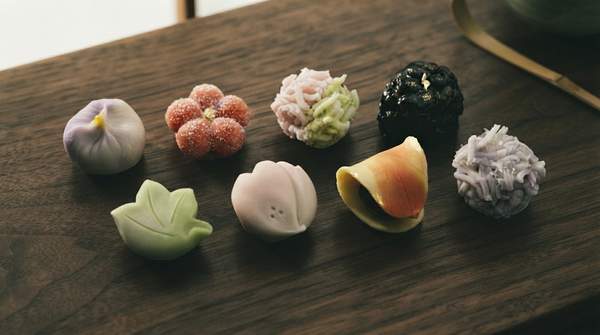
How Wagashi Turn Japan's Seasons and Wabi-Sabi Philosophy Into Edible Art
Wagashi, traditional Japanese confectionery, are exquisite edible art meticulously crafted to reflect the changing seasons and embody the philosophy of wabi-sabi. Their intricate designs and natural ingredients offer a profound connection to Japanese culture, playing an integral role in the tea ceremony.
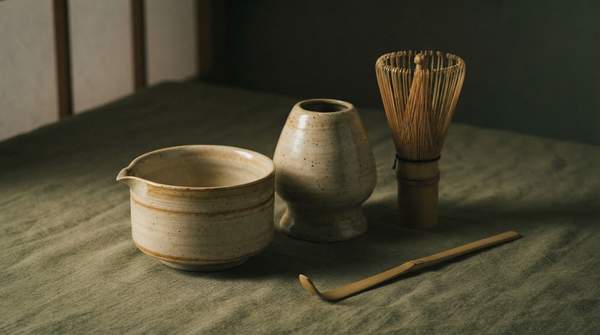
How the Chawan, Chashaku, and Chasen Turn Philosophy Into Objects
The chawan, chashaku, and chasen are central to the Japanese tea ceremony, serving as tangible expressions of its core philosophies like wabi-sabi and ichi-go ichi-e. Their materials, forms, and handling deliberately embody principles of mindfulness, simplicity, and the appreciation of imperfection.

Wabi-Sabi at Home: A Practical Framework for Choosing Materials, Colors and Objects That Embrace Imperfection
Wabi-Sabi is a Japanese worldview embracing imperfection and impermanence, translating into interiors through natural materials, muted tones, and meaningful objects. This guide offers a practical framework for choosing elements that celebrate wear and authenticity.

Wabi-Sabi at Home: How to Design With Imperfection, Age, and Empty Space
Wabi-sabi is a Japanese philosophy that finds beauty in imperfection, impermanence, and incompleteness, guiding interior design towards natural materials, graceful aging, and serene, uncluttered spaces. By embracing flaws, wear, and simplicity, a wabi-sabi home feels honest and calm, offering an alternative to perfection-driven conventional design.
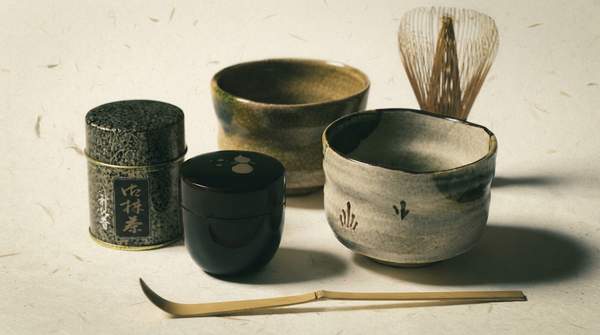
The Artful System of Japanese Tea Ceremony Utensils
Japanese tea ceremony utensils, known as chadōgu, are carefully selected objects of art and history, not mere tools. Their deliberate arrangement, guided by aesthetic principles like toriawase and wabi-sabi, creates a unique, harmonious, and meaningful experience.
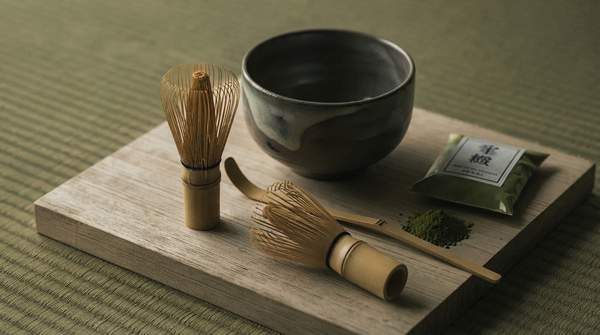
How Chawan and Chashaku Embody Wabi-sabi and Ichi-go Ichi-e in Japanese Tea Ceremony
The Japanese tea ceremony's chawan (tea bowl) and chashaku (tea scoop) are more than functional tools; they embody the core philosophies of Wabi-sabi and Ichi-go Ichi-e. These utensils visually and functionally represent the beauty of imperfection and the appreciation for the unique, unrepeatable moment.