
Japanese Tea Ceremony
8 articles
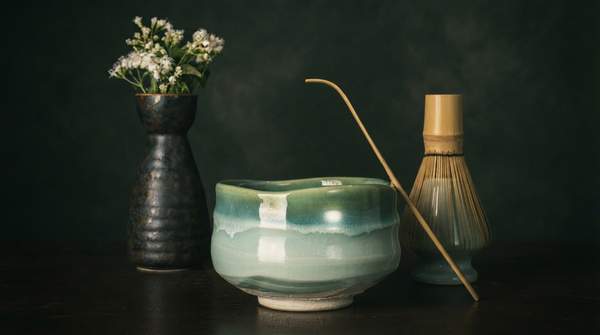
Clay, Bamboo, and Lacquer: Why Tea Ceremony Utensils Are Made From What They Are Made From
The Japanese tea ceremony deliberately uses specific materials like ceramic, bamboo, and lacquer for its utensils. It details how the unique properties of each material contribute to the ceremony's aesthetic, philosophical, and practical dimensions, embodying principles like harmony and connection to nature.
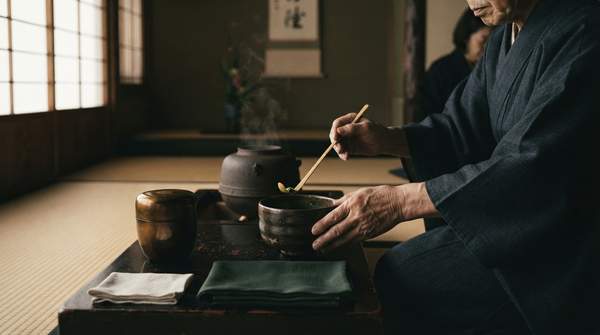
Beyond the Bowl, Whisk, and Scoop: The Utensils That Shape a Tea Ceremony
Discover the essential tea ceremony utensils beyond the familiar bowl, whisk, and scoop, exploring their unique functions, materials, and symbolic significance in "the way of tea."
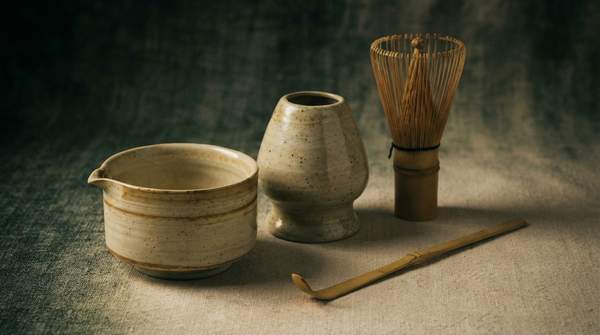
Wabi in the Hands: How the Chawan, Chashaku, and Chasen Turn Philosophy Into Objects
The chawan, chashaku, and chasen, core utensils of the Japanese tea ceremony, are physical embodiments of its philosophy, embodying wabi, simplicity, and mindfulness through their design and materials. Their historical evolution and specific features reveal how these objects translate abstract principles into tangible experiences.
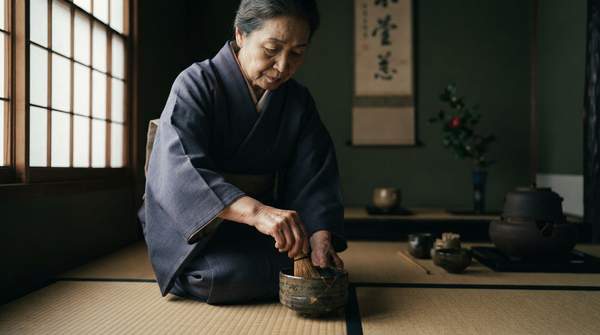
Wabi Cha, Yu-gen, Geido, Satori: The Philosophy That Makes Tea a Spiritual Practice
The Japanese tea ceremony, chanoyu, transcends mere ritual, embodying a spiritual discipline through four core philosophies: wabi cha (simplicity), yu-gen (profound awareness), geido (mastery of form), and satori (awakening). Understanding these concepts reveals how each gesture in the ceremony becomes a meaningful path to mindfulness and spiritual practice.
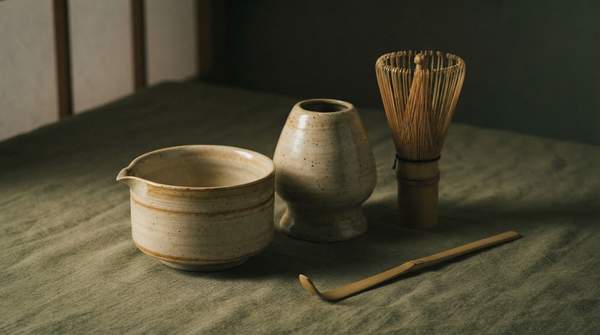
How the Chawan, Chashaku, and Chasen Turn Philosophy Into Objects
The chawan, chashaku, and chasen are central to the Japanese tea ceremony, serving as tangible expressions of its core philosophies like wabi-sabi and ichi-go ichi-e. Their materials, forms, and handling deliberately embody principles of mindfulness, simplicity, and the appreciation of imperfection.
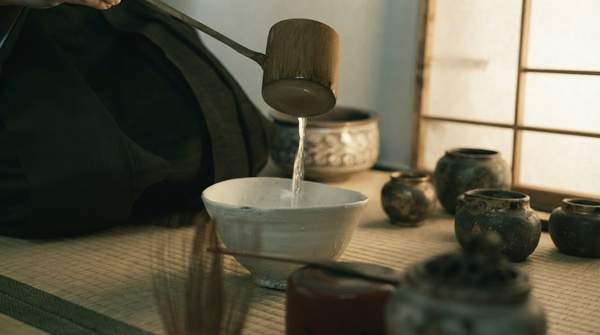
The Way of Tea: How Philosophy Shapes Every Gesture in Chanoyu
The Japanese Tea Ceremony, Chanoyu, is a spiritual discipline rooted in Zen Buddhism and Shintoism, transforming tea preparation into a profound practice of presence and connection. Codified by Sen no Rikyū, its core principles of harmony, respect, purity, and tranquility guide participants toward inner peace and mindful living.
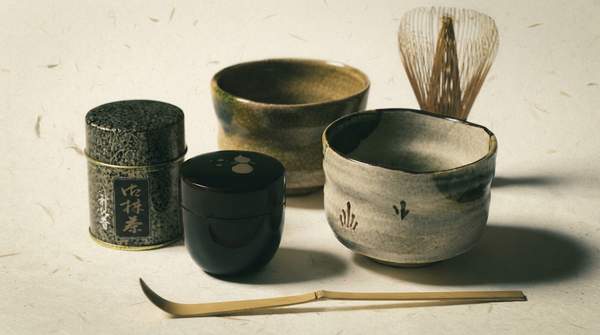
The Artful System of Japanese Tea Ceremony Utensils
Japanese tea ceremony utensils, known as chadōgu, are carefully selected objects of art and history, not mere tools. Their deliberate arrangement, guided by aesthetic principles like toriawase and wabi-sabi, creates a unique, harmonious, and meaningful experience.
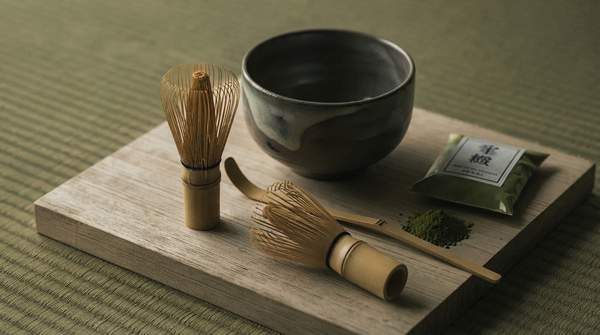
How Chawan and Chashaku Embody Wabi-sabi and Ichi-go Ichi-e in Japanese Tea Ceremony
The Japanese tea ceremony's chawan (tea bowl) and chashaku (tea scoop) are more than functional tools; they embody the core philosophies of Wabi-sabi and Ichi-go Ichi-e. These utensils visually and functionally represent the beauty of imperfection and the appreciation for the unique, unrepeatable moment.