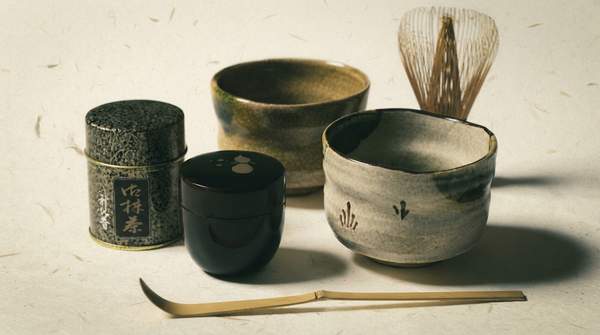
In a Japanese tea ceremony, the host treats each utensil with a focused, reverential care that transforms them from simple tools into objects of profound significance. To an observer, a tea bowl is turned with deliberation, and a tea caddy is handled as if it were priceless. These utensils, known as chadōgu, are far more than functional objects; they are carriers of history, works of art, and expressions of a deep aesthetic philosophy. Understanding the roles of these key items, particularly during the temae—the portion of the ceremony where tea is prepared and served—reveals a carefully choreographed system where each piece works in harmony with the others to create a unique, unrepeatable moment.
The Interconnected World of Tea Ceremony Utensils
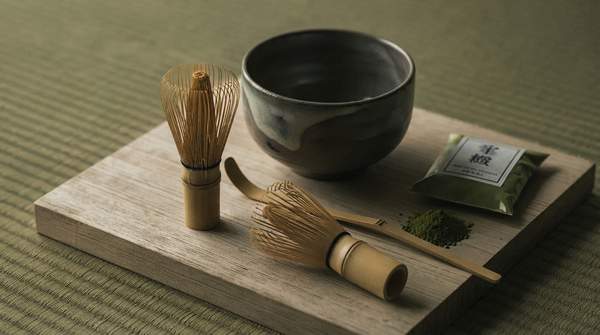
The utensils used in the Japanese tea ceremony, or chanoyu, are chosen to create a specific atmosphere for a single gathering. While many are familiar with the chawan (tea bowl) and chasen (bamboo whisk), a broader set of tools for storing tea and managing water forms the functional core of the tea-making process. These items are not selected in isolation. Instead, the host engages in toriawase, which an article in the Asian Art Newspaper describes as "the art of selecting utensils for a specific occasion." This selection is a deliberate act that communicates the theme of the gathering, reflects the season, and displays the host’s aesthetic sensibilities. The objects themselves can accumulate layers of historical and cultural meaning over generations, cherished not just for their form but for the stories they carry, often preserved in accompanying boxes and documents.
Tea Storage: Chaire and Natsume
At the heart of the ceremony is the powdered green tea, or matcha, which is stored in a special container whose selection is a primary consideration for the host. Two main types are used, each with a distinct purpose and aesthetic that signals the nature of the gathering. The choice between them is an integral part of the toriawase.
The chaire is a small, often ceramic tea caddy used for preparing koicha, or thick tea, which is a feature of more formal ceremonies. These are considered particularly valuable and collectible items, admired for their glazes and craftsmanship. In contrast, the natsume is a lacquered wooden container, so named because its shape resembles the jujube fruit, according to Tea Ceremony Canon Kyoto. The natsume is generally used to hold the matcha for usucha, or thin tea, which is served in less formal settings. The host’s decision to use a rustic ceramic chaire or a sleek, lacquered natsume is one of the first and most important aesthetic statements of the ceremony, setting the tone for the type of tea and the formality of the event.