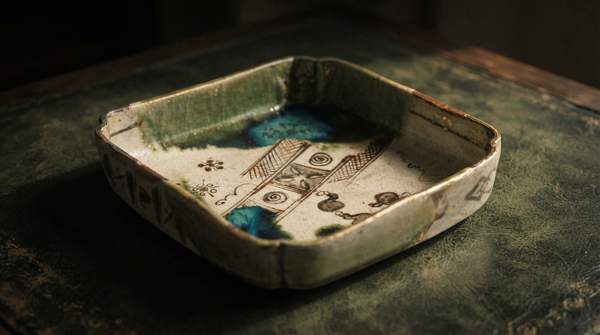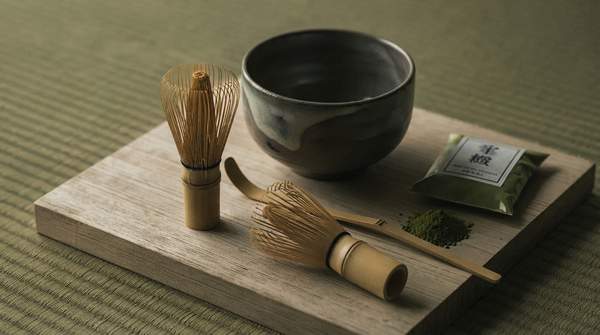
The Japanese tea ceremony, or chanoyu, is a profound cultural practice that distills centuries of aesthetic and philosophical thought. At its heart lie core principles such as Zen Buddhist thought, the Wabi-sabi aesthetic, and the spirit of Ichi-go Ichi-e, all of which shape the quiet atmosphere of the tea room. These abstract philosophies find tangible expression in the utensils used, particularly the chawan (tea bowl) and chashaku (tea scoop), whose forms, materials, and historical usage reflect these revered ideals.
Wabi-sabi: Embracing Imperfection and Simplicity
The Wabi-sabi aesthetic is central to the Japanese tea ceremony, representing a value system that finds beauty not in extravagance or perfection, but in simplicity, imperfection, and quiet restraint. Rather than pursuing luxury or outward display, this philosophy treasures what appears incomplete, weathered, or understated, as noted by JapanGuideStar. The concept of 'wabi' itself, sometimes translated as rusticity, is more accurately described as a state of mind, according to Soshitsu Sen XV in Tea Life, Tea Mind. Its elevation to an aesthetic ideal within the tea ceremony began during Japan's Kamakura period (1185-1333) with the introduction of Zen Buddhism from China by monks Eisai and Dogen, as detailed by Portland Japanese Garden. This spiritual foundation laid the groundwork for a shift in aesthetic values, moving away from ostentation towards an appreciation for the humble and natural.
This aesthetic was further crystallized by influential figures like Takeno Joo and Sen no Rikyu in the 16th century. Sen no Rikyu, in particular, played a pivotal role in propagating the use of simple, unrefined objects, deliberately shifting the focus from worldly splendor to an appreciation for humble utensils. His philosophy, as captured in the Nanporoku, suggests that "there is shelter enough when the roof does not leak, food enough when it staves off hunger," reflecting the fundamental meaning of the tea ceremony in its embrace of understated beauty and sufficiency, a perspective shared by Portland Japanese Garden. This historical evolution transformed 'wabi' from a personal state of mind into a guiding principle for the selection and appreciation of tea ceremony objects, valuing authenticity and the beauty of natural wear over artificial perfection.
Ichi-go Ichi-e: The Philosophy of the Unique Moment
Complementing Wabi-sabi is the principle of Ichi-go Ichi-e, which translates to "one time, one meeting" or "for this time only." This philosophy emphasizes the unique and unrepeatable nature of each tea gathering, requiring the host's sincere care and full attention to every detail. It underscores the importance of cherishing the present moment and the host's intentions for their guests, embodying a spirit of hospitality, or omotenashi, as described by JapanGuideStar. This principle highlights that every encounter is a singular event that cannot be replicated, thus demanding complete mindfulness and appreciation from all participants.
Through the act of preparing tea, the host gives full attention to each guest while also reflecting inwardly on the self, creating a quiet atmosphere of mindfulness, a sentiment echoed by JapanGuideStar. This sincere care extends to every aspect of the ceremony, from the arrangement of the tea room to the selection and handling of each utensil. The host's meticulous choices, even in the smallest details, are a tangible expression of their respect and appreciation for the guests and the unique gathering. Ichi-go Ichi-e transforms the tea ceremony into a profound experience of presence, where every element, including the utensils, becomes a vessel for cherishing the transient beauty of the moment.