
Chashaku
3 articles
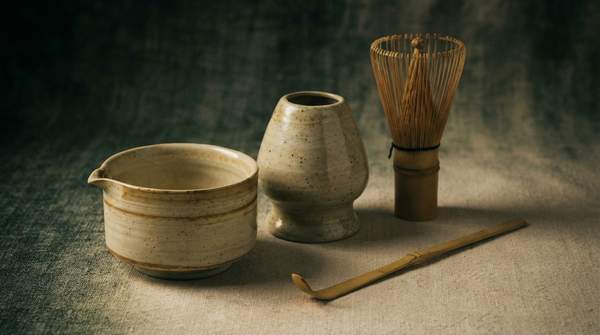
Wabi in the Hands: How the Chawan, Chashaku, and Chasen Turn Philosophy Into Objects
The chawan, chashaku, and chasen, core utensils of the Japanese tea ceremony, are physical embodiments of its philosophy, embodying wabi, simplicity, and mindfulness through their design and materials. Their historical evolution and specific features reveal how these objects translate abstract principles into tangible experiences.
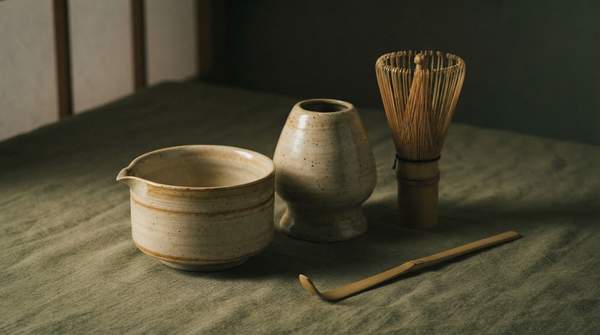
How the Chawan, Chashaku, and Chasen Turn Philosophy Into Objects
The chawan, chashaku, and chasen are central to the Japanese tea ceremony, serving as tangible expressions of its core philosophies like wabi-sabi and ichi-go ichi-e. Their materials, forms, and handling deliberately embody principles of mindfulness, simplicity, and the appreciation of imperfection.
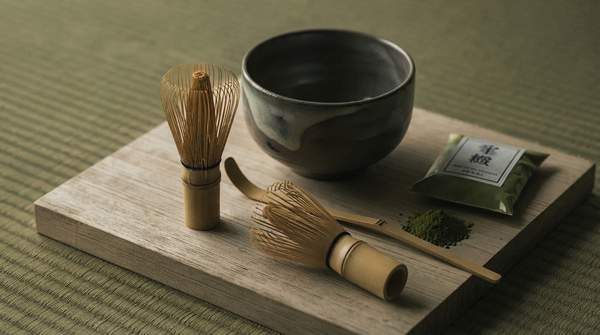
How Chawan and Chashaku Embody Wabi-sabi and Ichi-go Ichi-e in Japanese Tea Ceremony
The Japanese tea ceremony's chawan (tea bowl) and chashaku (tea scoop) are more than functional tools; they embody the core philosophies of Wabi-sabi and Ichi-go Ichi-e. These utensils visually and functionally represent the beauty of imperfection and the appreciation for the unique, unrepeatable moment.