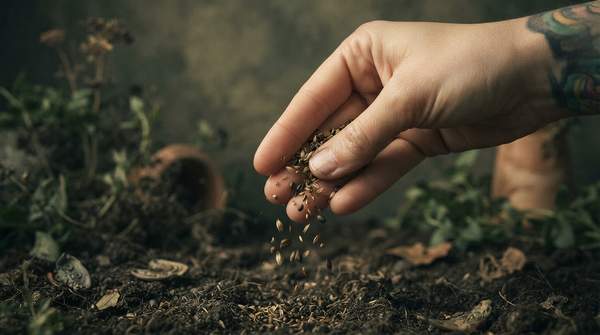
Saving seeds from heirloom vegetables is something any home gardener can do, and the easiest place to start is with crops that must be allowed to "bolt"—to send up a flower stalk past their edible stage—before they produce seed. Lettuce, radishes, and carrots all work this way. The process is simple once you understand the sequence: choose open-pollinated heirloom plants, let them flower and dry, harvest the seed heads at the right moment, clean away the chaff, and store the dry seed somewhere cool and dark. The reward is more than a free packet of seeds; it is a small act of conservation.
The Enduring Legacy of Heirloom Seeds
Seed saving is one of gardening's oldest traditions, and it has never been merely practical. Seed Savers Exchange, a nonprofit that stewers a living collection of more than 20,000 varieties of seed crops, potatoes, garlic, grapes, and apples at its Heritage Farm headquarters, frames the practice as essential to biodiversity preservation. The organization notes that the plants it protects carry a strong cultural history, unique culinary properties, or resilience to climatic events and invasive pests.
That legacy has been under pressure for decades. An academic study of Appalachian foodways observes that many heirloom vegetables—often with unusual shapes, inconsistent appearance, or thin skin unsuited to shipping—were relegated to home and hobby gardens or disappeared entirely as commercial breeding narrowed its focus. A library essay on the practice adds that farmers cultivated the art of seed saving for many generations, and that a recent resurgence among home gardeners aims to keep heirloom varieties available to others and allow their genetic diversity to continue.
Why Your Garden Matters: Biodiversity and Heritage
The case for saving your own seeds rests on several distinct benefits. Seed Savers Exchange lists them plainly: increased self-reliance, a connection to nature and food, savings on future seed purchases, ties to history, and varieties adapted to your local climate. The Almanac's gardening editor, Catherine Boeckmann, adds a sobering point—just because you could order a variety from a commercial source in the past does not mean it will always be available, so saving seed guarantees you keep a favorite.
Local adaptation is where a backyard garden becomes an act of evolution. The Appalachian research notes that open-pollinated seeds grown over time in local environments adapt to changing conditions such as climate, thanks to increased genetic diversity. The same study identifies seed saving and heirloom cultivation as regional assets, woven into a rich heritage of culinary foodways. When you save seed from your best-performing plants, you are selecting for your own conditions—one generation at a time.