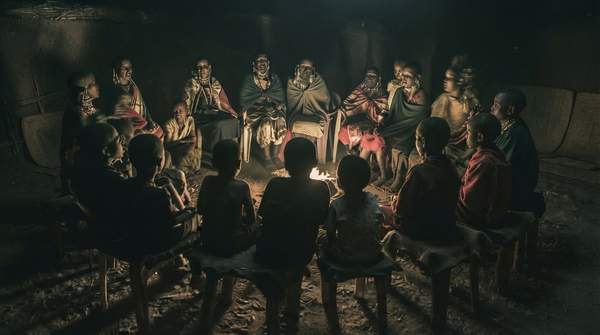
In many West African societies, proverbs are far more than quaint sayings; they are sophisticated and essential tools for moral guidance, cultural preservation, and social harmony. Functioning as what linguist and cultural scholar Kwame Amoako calls "vehicles of cultural transmission," these concise expressions encapsulate the collective wisdom of ancestors, serving as ethical compasses for communities. In traditions like those of the Akan and Yoruba people, proverbs are deeply woven into daily conversations, legal proceedings, and storytelling, reinforcing the core principles that shape identity and guide behavior. They are not merely decorative language but functional instruments for navigating life, resolving conflict, and educating the next generation.
The Proverb as a Social and Legal Instrument
The role of proverbs in traditional West African settings is multifaceted, encompassing pragmatic, symbolic, and pedagogical functions. In the Asante Twi culture, for example, they are vital linguistic tools used to foster social cohesion and preserve cultural norms. Their application extends far beyond casual conversation; in chieftaincy courts and at formal ceremonies, proverbs are deployed to lend "authority and gravitas to speech," according to an analysis of Asante Twi language. An elder or leader who can skillfully weave proverbs into their oratory demonstrates wisdom and a deep connection to ancestral knowledge, making their arguments more persuasive and their judgments more respected. This oral tradition is also remarkably dynamic.
The enduring relevance of proverbs is demonstrated by their ability to adapt to new circumstances. For instance, some proverbs that originally offered guidance on agricultural practices have been reinterpreted to apply to modern socio-economic challenges. This evolution shows that proverbs are not static relics but a living part of the culture, continuously updated to address the contemporary world while remaining rooted in the historical and cultural fabric of the people.
A Moral Compass for Daily Life
A primary function of West African proverbs is to serve as a moral compass, encapsulating ethical principles that guide individual conduct and reinforce communal values. They provide practical wisdom for navigating complex interpersonal relationships and ethical dilemmas. According to research on Asante Twi culture, proverbs are seen as vehicles for conveying moral lessons and social norms. They distill abstract virtues into memorable, concrete sayings that are easy to recall and apply. For example, a West African proverb with roots in Yoruba and Akan traditions states, “The truth may be bitter, but it lasts longer than a lie.”
This saying, often invoked during conflict resolution or moral instruction, underscores the deep cultural value placed on honesty as the foundation of trust. Another proverb warns, “A lie ruins a thousand truths,” vividly illustrating the destructive power of a single falsehood to undermine a person's entire credibility. Similarly, the proverb, "The fool is thirsty in the midst of water," cautions that opportunity and resources are meaningless without the wisdom and perception to recognize their value. Through such sayings, complex ethical ideas are made accessible and immediately relevant to everyday life.
Weaving the Fabric of Community
Beyond individual guidance, proverbs are fundamental to preserving cultural heritage and fostering social cohesion. Dr. Kwame Amoako explains that they "encapsulate the collective wisdom and values of our ancestors," acting as repositories of knowledge passed down through generations. This shared pool of wisdom reinforces a collective identity and a common understanding of the world. By embedding societal norms and beliefs into daily language, proverbs help maintain the continuity of cultural values. This function is powerfully illustrated by the well-known proverb, “It takes a village to raise a child.” This saying does more than offer parenting advice; it articulates a core principle of collective responsibility.
As described in an article by Africa Rebirth, it emphasizes that the growth and well-being of children are a shared effort, reminding every member of the community that they have a role in shaping the future. Another popular proverb, “When the music changes, so does the dance,” teaches the importance of adaptability. It encourages individuals and the community to be flexible and open to change, adjusting their actions to meet new challenges—a crucial element for social resilience and harmony.
Bridging Generations in a Modern World
Far from being relics of the past, West African proverbs serve as vital bridges connecting past, present, and future generations. In an era of rapid change, they provide what an article from Africa Rebirth calls "timeless guidance" for young people grappling with the complexities of modern life. By engaging with the wisdom of their ancestors, younger generations can develop a deeper understanding of their cultural roots and foster a stronger sense of belonging. Community leaders and scholars emphasize this intergenerational role. Nana Akua Asantewaa, a respected storyteller, highlights the oral tradition as a cornerstone of community building, while Dr. Amoako notes that proverbs are crucial for bridging generational gaps.
This wisdom is not seen as outdated but as a "blueprint for a meaningful life," in the words of author Richard Appiah. He argues that proverbs function as natural psychological interventions that teach resilience, responsibility, and hope. They distill generations of lived experience into compact, emotionally resonant truths that remain profoundly relevant, helping to preserve cultural identity while navigating contemporary life.
Functions and Interpretations of West African Proverbs
To understand how proverbs operate as functional cultural tools, it is useful to categorize them by their primary social role. The following table illustrates how specific proverbs from West African traditions embed cultural values and provide guidance for daily life, moving from abstract principles to concrete application.
| Social Function | Description of Role | Example Proverb | Cultural Interpretation & Use |
|---|---|---|---|
| Moral Guidance | Reinforces the paramount importance of integrity and the destructive nature of falsehood. | A lie ruins a thousand truths. | This proverb is used to teach that a single act of dishonesty can completely undermine a person's credibility, regardless of how many truths they have told. |
| Moral Guidance | Underscores the enduring value of honesty, even when it is difficult. | The truth may be bitter, but it lasts longer than a lie. | Originating in Yoruba and Akan traditions, this saying is invoked in conflict resolution and moral instruction to encourage truthfulness as the foundation of trust. |
| Social Cohesion | Emphasizes collective responsibility for the upbringing and welfare of the community's children. | It takes a village to raise a child. | This proverb reminds community members that they all have a part to play in shaping the next generation, fostering a sense of shared purpose and mutual support. |
| Life Philosophy | Teaches the necessity of being flexible and adjusting one's behavior to new situations. | When the music changes, so does the dance. | This popular African proverb encourages individuals to be open to change and to find new ways of navigating challenges as circumstances evolve. |
| Moral Guidance | Cautions that material abundance is useless without the insight to recognize and use it. | The fool is thirsty in the midst of water. | This saying highlights the importance of perception and wisdom, implying that opportunity is often wasted on those who lack the awareness to seize it. |
| Cultural Continuity | Connects younger generations to the wisdom and values of their ancestors. | Proverbs as guiding words passed down. | This concept, articulated by community leaders, frames proverbs as a bridge between generations, shaping lives and ensuring cultural heritage is preserved. |
Sustaining Wisdom: The Enduring Role of Proverbs
The continued vitality of West African proverbs demonstrates their profound and lasting significance. They are not merely artifacts of a bygone era but are living, adaptable components of cultural identity that reinforce societal values and bridge generational divides. To fully appreciate the depth of these cultures, one should embrace and study West African proverbs to understand their foundational role in cultural transmission and moral education. Their power lies in their capacity to be both timeless and timely, offering ancestral wisdom that speaks directly to the challenges and opportunities of the present. The continued use and interpretation of traditional proverbs in community discourse and educational settings is the clearest indicator of their sustained relevance, ensuring that this invaluable heritage continues to inform and enrich future generations.
Sources
- African Proverbs: Wisdom Passed Down Through Generations — Africa Rebirth
- African proverbs provide the blueprint for a meaningful life — PSYCHE
- Exploring the Significance of Proverbs in Asante Twi Language and Culture — Rsisinternational
- Client Challenge — SCRIBD