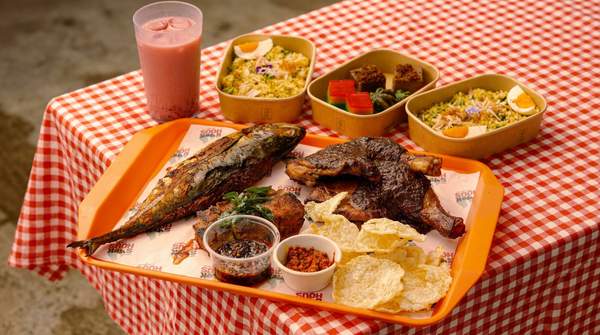
At CoCo Dining, a 1-star Michelin Vietnamese restaurant in Ho Chi Minh City, the new 'Luu Tich – The Living Archive' menu isn't just serving food; it's actively researching and collaborating with local communities. They're unearthing regional ingredients and forgotten practices, bringing Vietnam's culinary heritage to the forefront, according to VnExpress International. This isn't just a menu; it's a deep dive into the vibrant tapestry of Vietnamese flavors, ensuring ancient traditions find their rightful place at the modern table. It’s a heartfelt commitment to preserving culture, one dish at a time.
We often imagine culinary innovation as a forward march, globally sourced and pushing boundaries with novel ingredients. Yet, a quiet revolution is brewing: acclaimed chefs are looking backward, turning to deeply rooted regional traditions to define the future of fine dining. This shift challenges the old notion that culinary excellence must always chase the exotic and the new.
As these culinary artists blend ancient knowledge with contemporary techniques, regional heirloom foods are emerging as a defining characteristic of cutting-edge gastronomy. This fosters both cultural pride and sparks new economic opportunities in unexpected corners of the world. It's a deliberate excavation of hyper-local heritage, transforming overlooked regions into vibrant gastronomic hubs and safeguarding our shared culinary soul.
CoCo Dining in Ho Chi Minh City isn't alone in this journey. Their 'Luu Tich – The Living Archive' menu, with its deep dive into Vietnamese culinary heritage, mirrors a powerful global trend where acclaimed chefs are turning inward, elevating deeply rooted regional traditions to fine dining status. Take Chef Paul Smith at 1010 Bridge in Charleston, for example. He earned national recognition by proving Appalachian ingredients, often overlooked, could stand proudly alongside the country's most refined regional cuisines, according to West Virginia Explorer. The cutting edge of fine dining isn't about global fusion anymore; it's a deliberate, research-driven excavation of our hyper-local, often forgotten, culinary souls.
Beyond Revival: Innovation Meets Tradition
Head chef Vo Thanh Vuong at CoCo Dining sees heritage not as a dusty relic, but as living, evolving knowledge. He meticulously studies traditional techniques and regional ingredients, then reinterprets them with a contemporary touch, according to VnExpress International. This isn't just cooking; it's a vibrant redefinition of heritage, transforming it into a dynamic wellspring for fresh, innovative flavors. CoCo Dining’s vision is part of a broader, exciting movement in Vietnamese gastronomy, where chefs are passionately exploring local biodiversity and regional traditions for new culinary expressions, according to VnExpress International. This deliberate embrace of deeply local, often overlooked ingredients and time-honored practices is truly the new frontier of culinary excellence. Real innovation in modern gastronomy now blossoms from the depth of cultural excavation and reinterpretation, not just global fusion or invention.