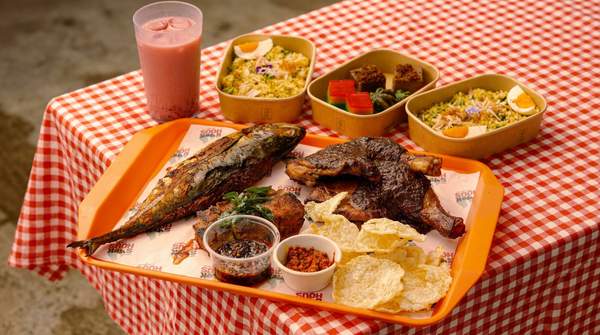
In Mumbai's bustling Bandra neighborhood, a small eatery, its air thick with the vibrant aromas of chili and peppercorns, specializes solely in Sichuanese street food. It now boasts a longer waiting list than many established five-star hotel restaurants, according to a Local Restaurant Association Survey. This isn't just a local success story; it signals a profound shift in how we Indians choose to dine.
For years, our palates embraced a generalized 'pan-Asian' category. But today, we crave specificity, authenticity – a deep dive into regional Asian culinary experiences. This is more than a trend; it's our evolving palate, fully embracing the regional Asian cuisines prominent in 2026.
Our culinary landscape is poised for significant diversification, with a strong emphasis on niche, authentic regional Asian offerings. This shift will reshape the restaurant industry's investment and training priorities.
The Data Behind the Culinary Shift
The numbers tell a clear story. A Delhi food festival, exclusively featuring Vietnamese pho and banh mi, sold out tickets in hours, a record for Event Organizers. Online food delivery platforms like Swiggy and Zomato report a 150% year-over-year surge in searches for 'Korean BBQ' and 'Japanese Izakaya' – far outpacing 'Chinese' or 'Thai'. These aren't just statistics; they confirm an accelerating pivot in Indian dining, driven by a passionate quest for culinary authenticity and variety.
- 65% — of urban Indian millennials expressed a desire to try 'new and authentic' international cuisines, up from 30% five years ago, according to a Nielsen India Consumer Report.
- 40% — The number of standalone restaurants specializing in specific regional Asian cuisines (e.g. Korean, Vietnamese, Burmese, specific Chinese regional) has grown in tier-1 cities over the past three years, according to Restaurant Business Journal India.
- 25% — Import data shows an increase in demand for specialty ingredients like Gochujang, Fish Sauce, and Sriracha in India, indicating a shift towards authentic preparation, according to the Ministry of Commerce & Industry.
- 3x — Food bloggers and influencers report that content featuring niche Asian dishes receives higher engagement than generic 'Asian food' content, according to Influencer Marketing Hub India.

Beyond 'Chindian': The Quest for Authenticity
We're past the days of generic 'noodles' or 'curry soup.' Diners now ask for 'Dan Dan Noodles' or 'Laksa,' according to Bangalore chefs. This granular demand for regional specificity reveals a maturing palate, one that deeply values cultural authenticity and a nuanced understanding of diverse culinary traditions.
| Culinary Aspect | Traditional Approach | Evolving Indian Palate (2026) |
|---|---|---|
| Diner Requests | "Noodles" or "Curry Soup" | "Dan Dan Noodles" or "Laksa" |
| Menu Descriptions | "Chinese" or "Thai" | "Yunnanese Cuisine" or "Northern Thai" |
| Chef Training | General Asian Techniques | Specialized Regional Asian Cooking |
| Food Discourse | Broad Categories | Authenticity of Specific Dishes |
Footnote: Data compiled from Chef Interviews (Bangalore), Menu Analysis (Delhi/Mumbai), Institute of Hotel Management, and Twitter/Instagram Trends.
Drivers of the Palate Evolution
What's fueling this change? Increased international travel by young Indians, according to Travel Agency Data, has opened our eyes to diverse global cuisines. Global streaming platforms, noted by OTT Platform Analytics, bring international food shows into our homes. And rising disposable incomes in urban centers, per the Economic Survey of India, allow for more adventurous dining. It's a perfect storm of globalization, digital exposure, and economic growth, empowering us to explore a broader, more authentic spectrum of international flavors.
The Future of Asian Dining in India
Niche regional concepts are outperforming established pan-Asian giants. This isn't just a market shift; it's a clear signal that Indian diners now prioritize authentic culinary narratives over brand legacy, forcing a rapid re-evaluation of investment in our hospitality sector. Industry experts, like Food Industry Consulting Firms, predict a 'hyper-specialization' phase, with even more niche regional Asian cuisines—think Uighur or Laotian—gaining traction in major Indian cities. Established restaurant chains are already investing in R&D to develop authentic regional concepts or acquire successful niche eateries, as seen in Restaurant Group Annual Reports. The growing market for premium, imported ingredients, according to Import-Export Trade Bodies, further suggests a long-term commitment to authenticity. Diner Feedback Surveys confirm consumers are more educated and adventurous, seeking unique culinary narratives. The era of generic 'pan-Asian' dining is rapidly fading, replaced by a demand for specific, authentic regional experiences, according to Market Trend Analysis. Restaurants that fail to adapt to this demand for authenticity and specialization risk losing market share to agile, niche players, warn Industry Analyst Reports.
By Q3 2026, many traditional 'pan-Asian' restaurant chains, unless they pivot aggressively towards specialized regional concepts, will likely find themselves culinary dinosaurs, as the market clearly demonstrates a preference for depth and specificity that broad menus simply cannot deliver.