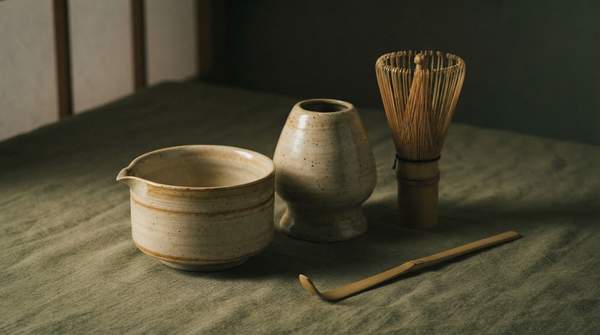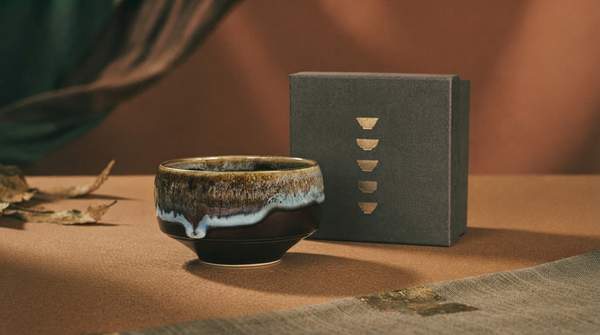
Japanese ceramics, as a category, are built for the table: rice bowls, tea cups, mugs, plates, and serving dishes are made to become part of daily life, and using handmade ceramics regularly is an important part of Japanese culture. That makes the practical question for a modern household not whether to use these wares daily, but which tradition to invite into the routine. Three regional styles recur in any conversation about everyday Japanese pottery—Bizen, Mino, and Hasami—and each answers that question differently.
Introduction: Japanese Pottery for Mindful Living
Nearly every one of Japan's 47 prefectures produces its own ceramic ware, using locally available materials that range, as Anne Walther and Laura Miyasaka describe in their survey of Japanese pottery styles, "from earthy unadorned clay bowls to highly decorative white porcelain." These wares are almost always named for the place they come from, often with the suffix yaki, meaning fired ceramic ware. Bizen, Mino, and Hasami are therefore not brand names but geographies—traditions tied to specific soils and kiln towns.
What distinguishes Japanese pottery from many other historical crafts is that it never retreated into the museum. Modern Japanese ceramics are, in the words of one history of the tradition, "not a break from tradition—they are the continuation of a living heritage that continues to evolve." Artisans still shape clay by hand, paint designs with traditional brushes, and fire their work using techniques passed down through generations. Choosing a piece for your kitchen is thus a way of joining that continuity rather than merely decorating a shelf.