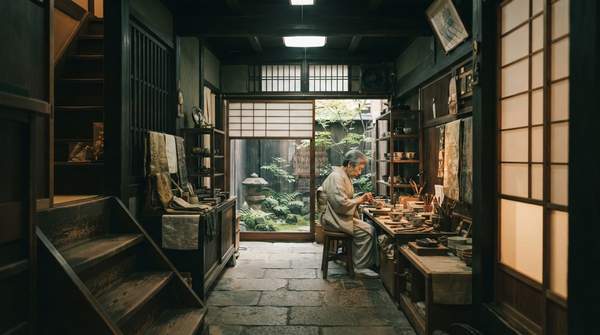
In Kyoto, 5-star accommodations now command an average of 1,100 euros per night, ushering in a new era of ultra-premium travel pricing in Japan. Kyoto's 1,100 euros per night average places the city at the forefront of luxury experiential travel trends for 2026. Tokyo's 5-star hotels, already above 750 euros, target 800 euros after a +7.7% price increase between February and July 2025, according to Mabrian. Japan's luxury experiences now command a significant premium, driven by intense demand for unique offerings.
Yet, demand for unique and immersive luxury travel experiences is soaring, creating a paradox. The resulting price increases and exclusivity are narrowing access to these aspirational journeys. Price increases and exclusivity are narrowing access to these aspirational journeys, meaning that while interest grows, the number of travelers who can afford these bespoke trips shrinks.
The luxury travel market will increasingly bifurcate into ultra-exclusive, high-cost experiences and more accessible, less unique options. Japan leads the former, with its luxury hotels and emerging themed accommodations setting new global benchmarks for pricing and exclusivity.
The Drivers: Experiential Travel and 'Maxxing'
Modern luxury travelers now seek more than just leisure; they crave immersion, personal growth, and unique access. The 'maxxing' trend, where jetsetters visit multiple destinations in one longer trip, allows for deeper cultural engagement, according to Galerie Magazine. Wellness-centric experiences, offering quantifiable data and longevity programming, now motivate travel more than other trends, as also noted by Galerie Magazine. Even voyages down the Nile now feature new luxury riverboats promising insider access, per Galerie Magazine. The evolving preferences of modern luxury travelers reveal a profound desire for authenticity and tangible self-improvement, driving demand for high-end, unique travel experiences that prioritize depth over mere location.
Japan's Exclusive Themed Offerings
A Poké Ball-themed hotel will open in Hokkaido, Japan, in September, marking a significant entry into the luxury themed accommodation market. This unique offering is a collaboration between Pokémon Sleep and the Japanese hospitality company NOT A HOTEL, as reported by Interesting Engineering. The hotel stay will be exclusive, available only through a special campaign, not general booking channels. The exclusive hotel stay, available only through a special campaign, enhances perceived value and exclusivity, transforming a mass-market concept into a highly aspirational luxury offering. Japan leverages beloved intellectual property and strategic partnerships to craft luxury experiences that go beyond traditional hospitality, proving that novelty and scarcity now command prices as high as opulent amenities.