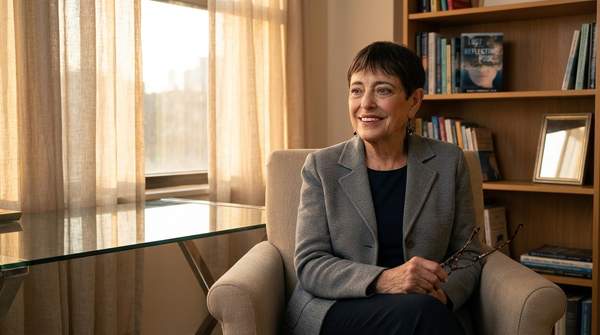
The parking fee was $15, and Dr. Diane Pomerantz had $14.76. The attendant allowed her to leave the garage, but she still had two children in the car and a journey home from New York with almost no money for tolls.
Fourteen years later, her daughter brought up the experience during an ordinary conversation about parking. In her Psychology Today essay The Good Enough Mother, Dr. Pomerantz revisits that difficult afternoon and examines why the memory remained so painful to her, even as her daughter began to see it through a different perspective.
The Family Outing That Became a Painful Memory
The trip took place shortly after Dr. Pomerantz had separated from her husband and after the sudden death of her father. She was raising two children, recovering from aggressive breast cancer, and facing serious financial difficulties.
She had closed her psychotherapy practice during treatment that included a stem cell transplant. The interruption to her income, combined with the circumstances of the separation, left her struggling to meet ordinary expenses.
That weekend, Dr. Pomerantz took her children to New York for the bar mitzvah of a childhood friend’s son. She wanted them to enjoy the outing and promised a meal at a favorite inexpensive restaurant in Chinatown, where they could have soup dumplings.
The children were delighted by the prospect. After the meal, her son noticed a game in a shop window and asked whether he could have it.
Dr. Pomerantz agreed, pleased to be able to say yes at a time when financial circumstances usually required her to refuse such requests. The decision felt like a small opportunity to give her children something enjoyable during a difficult period.
Only after leaving the shop did she realize she lacked enough money to pay for parking and get the family home. She returned to the store and attempted to return the game, but the request was refused.
The parking attendant subsequently accepted the $14.76 she had toward the $15 charge. Once they were on the road, Dr. Pomerantz encouraged the children to search beneath the car seats for spare change, presenting the search as a treasure hunt.