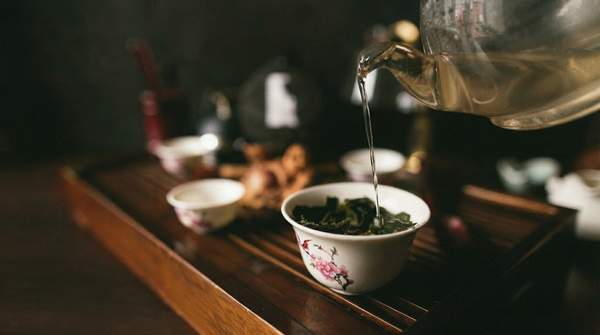
Tea ceremonies across the globe offer a rich tapestry of cultural expression, each with unique historical roots, ritualistic practices, and profound social significance. Among these diverse traditions, the Chinese Gongfu Cha and the North African Maghrebi mint tea stand as compelling examples of how a simple beverage can embody complex philosophical principles and social values. While Gongfu Cha, deeply embedded in Chinese tea culture, emphasizes the meticulous art of brewing and personal introspection, Maghrebi mint tea, originating from Morocco and the broader North African region, serves as a powerful symbol of hospitality and community connection.
By exploring these two distinct traditions, we can gain a deeper appreciation for their unique contributions to global tea culture, understanding how they reflect the core values of their respective societies.
Gongfu Cha: The Art of Chinese Tea
Gongfu Cha, a traditional Chinese tea ceremony, is revered as an art form that integrates seamlessly into daily life, emphasizing the skill involved in brewing and the aesthetic appreciation of tea. This method is central to Chinese tea culture, focusing on the taste, aroma, and visual beauty of the tea-drinking experience, as highlighted by Diplomatic Language Services. The practice involves infusing tea leaves multiple times, a technique designed to progressively reveal the full spectrum of their flavors, distinguishing it significantly from typical Western brewing approaches, according to P&T.
The ceremony typically employs smaller teapots, often with a capacity of less than half a liter, which are distinct from larger Western vessels. Oolong and Pu Erh teas are particularly favored for Gongfu Cha because their robust nature allows them to be re-steeped numerous times, with each infusion unveiling different nuances and depths of flavor. A quintessential implement in this ritual is the Gaiwan, a modest yet symbolically rich vessel composed of a bowl, a lid, and a saucer. P&T explains that this tool is not only functional but also carries deep cultural significance, facilitating a space for meditation and introspection. It also encourages shared moments, such as admiring the color of the teacups together, fostering a sense of communal appreciation.
Maghrebi Mint Tea: A Symbol of Moroccan Hospitality
Maghrebi mint tea, known by various regional names such as Moroccan, Tunisian, or Algerian mint tea, is a deeply ingrained tradition originating from Morocco and extending across North Africa. More than just a beverage, this tea is a profound symbol of friendship and tradition, as noted by Diplomatic Language Services. Its historical roots reveal a connection to power and prestige in Morocco, with the emergence of the first "master of tea" (mūl atay) within the Makhzen during Sultan Suleiman's reign from 1792 to 1822, according to Wikipedia.
The preparation of Maghrebi mint tea typically involves a blend of gunpowder green tea, fresh spearmint leaves, and a generous amount of sugar. This unique combination of Eastern tea leaves and Mediterranean mint creates a distinctive and celebrated flavor profile. Wikipedia further details that tea imports to Morocco quadrupled in the two decades following the Anglo-Moroccan Treaty of 1856, partly due to the British East India Company diverting tea intended for the Baltic states to Morocco during the Crimean War. Initially, tea consumption was an urban practice, where participating in the tea ceremony became a mark of status and savoir-faire among city dwellers. For rural farmers, it represented a way to emulate the urban class, reflecting both admiration and a degree of resentment.
Traditionally, Maghrebi mint tea is served three times, with each pouring offering a unique taste experience influenced by the steeping duration. This progression of flavors is famously captured in a Maghrebi proverb: "The first glass is as bitter as life, the second is as strong as love, the third is as soothing as death." This ritualistic serving underscores the tea's role in social interaction and its deep cultural resonance.