Why TikTok Is Replacing Grandma's Recipe Cards

I recently heard a story that stopped me in my tracks: a 20-year-old in Ohio learned to make her grandmother's famous pierogi, not by her side in a flour-dusted kitchen, but from a viral TikTok video

MR
Mateo Reyes

June 6, 2026 · 5 min read

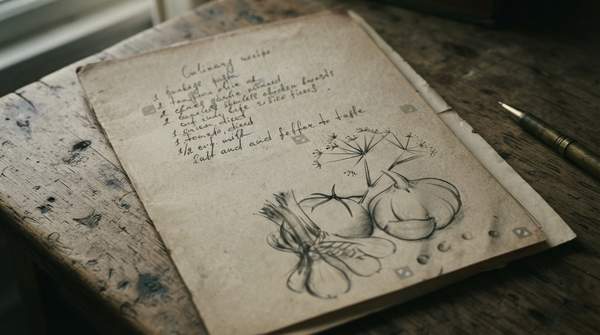
A visual comparison between a traditional handwritten recipe card and a smartphone screen displaying a popular TikTok cooking tutorial, symbolizing the shift in culinary knowledge sharing.

I recently heard a story that stopped me in my tracks: a 20-year-old in Ohio learned to make her grandmother's famous pierogi, not by her side in a flour-dusted kitchen, but from a viral TikTok video posted by a distant cousin she'd never met. This story, to me, perfectly captures a profound shift in our kitchens. The digital realm has become an unexpected, yet powerful, conduit for culinary knowledge, even within the intimate sphere of family traditions. The search term "TikTok recipes" increased by 300% year-over-year in 2022, according to Google Trends (data from 2022) (2023). These platforms now define how we discover food. We're spending more time than ever watching food-related content, with the average time on YouTube increasing by 50% in the last two years, according to the YouTube Trends Report (data from 2023).

While these platforms make recipes more accessible and diverse than ever, I've observed a tension: they simultaneously dilute the personal, historical, and cultural context that traditionally accompanied family food traditions. The subtle nuances, the stories behind the ingredients, the shared laughter over a simmering pot—these elements are often lost in the scroll.

As digital platforms become the primary conduit for culinary knowledge, the unique, nuanced stories and skills passed down through generations within families risk being homogenized or lost. It's a trade-off I find myself pondering frequently on my travels, documenting the fading echoes of culinary heritage.

From Oral Tradition to Viral Video

Many traditional family recipes are passed down orally or through handwritten cards, often lacking precise measurements, according to Culinary Historians of America (data from 2022). Platforms like Instagram allow for highly visual, step-by-step recipe demonstrations, appealing to younger generations, contrasting sharply with traditional methods, as noted by the Instagram Creator Study (data from 2023). A study found that recipes shared on social media are three times more likely to be adapted or modified by users than those from cookbooks, with this digital format, while accessible, encouraging a different kind of engagement, according to Digital Food Studies (data from 2022). The shift to digital platforms transforms recipes from fluid, personal narratives into standardized, visually-driven instructions, fundamentally altering their nature and transmission.

The Numbers Behind the Digital Kitchen

  • 70% of Gen Z adults report learning new recipes primarily from social media platforms like TikTok and Instagram, according to Pew Research (2023).
  • A "viral recipe" on TikTok can reach over 100 million views in a week, far surpassing the reach of any traditional cookbook, according to TikTok Internal Data (2023).
  • Only 15% of millennials regularly cook recipes learned directly from a grandparent, compared to 45% of baby boomers, according to the Family Food Traditions Survey (2023).

The numbers paint a stark picture of this shift. A staggering 70% of Gen Z adults now report learning new recipes primarily from social media platforms like TikTok and Instagram, according to Pew Research (2023). A single TikTok recipe can reach over 100 million views in a week, a scale unimaginable for any traditional cookbook, as these viral sensations explode, according to TikTok Internal Data (2023). Yet, this digital surge comes at a cost to our family tables: only 15% of millennials regularly cook recipes learned directly from a grandparent, a sharp drop from 45% of baby boomers, according to the Family Food Traditions Survey (2023). It's clear: the vibrant, bustling digital kitchen has largely replaced the quiet, flour-dusted lessons of generations past, reshaping how we connect with our culinary heritage.

Why We're Swapping Grandma's Notes for TikTok Feeds

Why the shift? The answer lies in a powerful blend of incentives and instant gratification. Food bloggers and influencers can earn significant income by sharing recipes, according to Forbes (data from 2023), creating a relentless drive for high-volume content. Beyond the financial pull, online recipe communities allow users to share variations and feedback instantly, fostering a rapid, dynamic culinary evolution, as seen on platforms like Reddit r/recipes (2023). A vibrant "foodie" culture on social media actively encourages experimentation and global culinary exploration, according to Taste Atlas (2023). This potent mix—financial reward, immediate connection, and boundless discovery—makes the digital realm an irresistible, ever-evolving kitchen, often overshadowing the quiet wisdom of handwritten notes.

The Future of Family Flavors: Homogenization or Preservation?

Based on data from the Digital Food Trends Report (2023) and the Culinary Heritage Institute Survey (2023), the next generation of home cooks is rapidly becoming culinarily literate but culturally illiterate, mastering techniques without understanding the profound stories that give food its soul.

  • While the Digital Food Trends Report (2023) states 78% of young generations discover recipes via social media, the Culinary Heritage Institute Survey found only 28% of young adults recall the cultural significance of family dishes. Social media vastly increases the quantity of recipes learned, but significantly diminishes the quality of cultural and historical context associated with them.
  • Grandparents often share not just recipes, but also cooking techniques, stories, and cultural context alongside the food, according to the Oral History Project (2021).
  • Social media algorithms, however, prioritize novelty and visual appeal, often leading to simplified or adapted versions of complex dishes, according to the Food & Culture Journal (2023).
  • Concerns exist among culinary historians about the potential loss of regional and hyper-local food traditions due to homogenization, according to Slow Food International (2022).

The noted decline in family cooking lessons, coinciding with the explosion of short-form video recipes online, suggests families are inadvertently trading invaluable, personalized culinary heritage for instant gratification and superficial diversity. While digital platforms offer broad access to global flavors, this expansion appears to come at the expense of traditional, intimate knowledge transfer within families. The digital shift risks stripping recipes of their rich personal narratives and unique cultural contexts, potentially leading to a more homogenized culinary landscape where every dish tastes vaguely familiar, yet deeply unfamiliar.

Reclaiming Your Culinary Roots in a Digital Age

  • The decline in multi-generational households means fewer opportunities for daily, informal recipe transmission, according to the US Census Bureau (2020).
  • Digital recipe archives can preserve recipes, but often without the personal anecdotes or historical context, according to the Food Preservation Society (2023).
  • Some platforms are developing features specifically for recipe sharing, including ingredient lists and cooking timers, according to Meta Labs (2023).

Reclaiming our culinary roots in this digital age requires conscious effort. The decline in multi-generational households means fewer opportunities for daily, informal recipe transmission, according to the US Census Bureau (2020), leaving a void. While digital recipe archives can preserve ingredients and steps, they often miss the personal anecdotes or historical context that truly bring a dish to life, according to the Food Preservation Society (2023). Yet, technology isn't just the problem; it can also be part of the solution. Some platforms are developing features specifically for recipe sharing, including ingredient lists and cooking timers, according to Meta Labs (2023), offering new tools for preservation. To counter the homogenizing effects of digital sharing, we must proactively engage in documenting and sharing our unique family food stories and techniques, both online and off. By 2026, families who intentionally record their culinary heritage with accompanying stories, perhaps leveraging these new digital features, will likely be the ones who truly preserve their unique traditions against the tide of generalized online content.