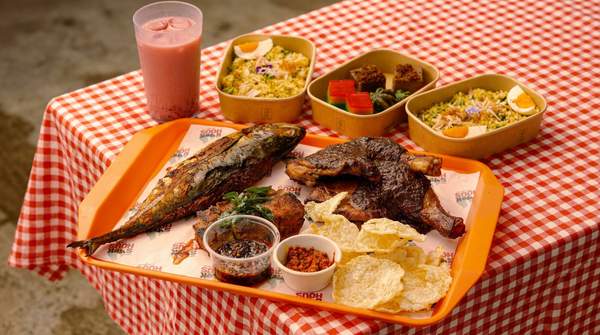
In Mexico City, the famed seafood restaurant Contramar hosts a lunch service stretching from midday until 6 PM. This isn't just a meal; it's a testament to how deeply food experiences now weave into the fabric of a travel day, dictating a traveler's entire itinerary. While travel planning once centered on historical sites and natural wonders, for millions today, a destination's unique culinary offerings are the primary draw. Destinations failing to strategically integrate and promote their food and beverage experiences as core attractions risk marginalization in this evolving global tourism landscape.
The Billion-Dollar Bite: Culinary Tourism's Explosive Growth
- $76.4 billion — The global culinary tourism market is projected to reach this value by 2033, according to Grandview Research.
Near five-fold growth from earlier valuations reveals a rapid re-prioritization of global travel motivations, poised to redefine travel spending.
Food as the Destination: Reshaping Global Travel
Food experiences now drive millions of travelers to choose destinations, reshaping global travel. Nations like Mexico, USA, and Peru are actively transforming traditional recipes and local ingredients into compelling tourism experiences, moving beyond passive attraction to active culinary brand development. A strategic pivot is essential for destinations to cultivate and market their unique culinary identities, as reported by Travel And Tour World.
Why Culinary Travel is Surging
The surge in culinary travel stems from a deep desire for authentic, immersive cultural engagement. Travelers crave direct connections with local traditions and communities, often found around the dinner table. This makes traditional tourism marketing, focused solely on historical sites or natural beauty, increasingly obsolete for many, according to Travel And Tour World. Contramar's six-hour lunch service in Mexico City, reported by CNTraveller, perfectly illustrates this. It's not just a meal; it's a time-intensive cultural immersion that redefines a traveler's daily pace and expectations.