The global wellness tourism market, projected to hit $1.4 trillion by 2027, is fundamentally reshaping what 'luxury' means. This isn't just growth; it's a seismic shift. Discerning travelers now demand more than opulence. They crave personal transformation, genuine engagement, and experiences that nourish mind, body, and spirit.
Yet, here's the paradox: Hospitality Net reports 58% of travelers are choosing superior or luxury rooms in 2026—a 4-point jump from 2025. Simultaneously, affluent travelers are abandoning five-star hotels for private, experience-rich alternatives. Not all luxury is created equal, nor is it sought for the same reasons. The market is splitting.
The travel industry must pivot. Selling standardized opulence is a path to obsolescence. Curating deeply transformative, authentic experiences is the only way forward. My observations, from Paris to Patagonia, confirm it: discerning travelers crave connection and personal growth above all.
The Rise of Authentic and Experiential Luxury
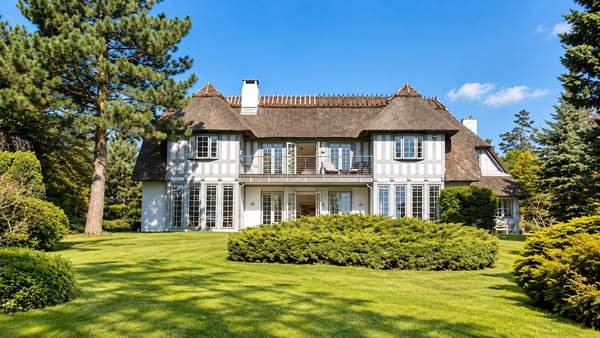
Affluent travelers are increasingly prioritizing private accommodations, a clear departure from traditional hotel stays. Resident Magazine confirms private villas and estate rentals now trump five-star hotels for this discerning group. This shift extends to community-driven platforms like HomeExchange, which boasts over 270,000 members and a remarkable 43% year-over-year growth in 2025. They facilitated 3.5 million nights exchanged, projecting 15 million overnight stays for 2026. These numbers aren't just statistics; they reveal a fundamental re-evaluation of value: ownership of an experience, not just a room.
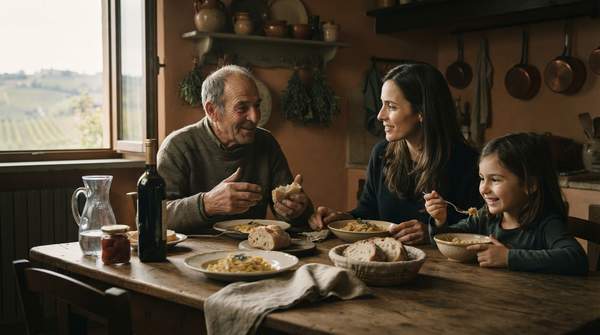
Luxury, then, isn't about paid service; it's about access and immersion. Resident Magazine also notes that 51% of US travelers planned domestic trips last summer, with 54% building travel around concerts, festivals, or performing arts. This isn't coincidence. It's a clear pivot towards immersive, local, and experience-driven travel. Luxury is now access to unique moments, not just opulent spaces. My own travels confirm this: the most memorable moments always offer a window into local life, never just a gilded cage.