Before the hum of printers and the glow of screens, the handwritten word served two distinct masters: high art and personal connection. On one hand, you have the illuminated manuscript, a breathtaking object of devotion and status, crafted with precious materials by specialized artisans. On the other, you have the simple epistolary letter, a vital thread of communication connecting loved ones across vast distances. While both are products of pen and ink, they represent divergent paths in the history of writing, one created as a lasting monument and the other as a fleeting, personal message.
Illuminated Manuscripts: Art, Faith, and Status
Illuminated manuscripts were the pinnacle of pre-print book production in Western Europe. These were not merely texts but complex works of art, meticulously handcrafted and richly decorated. According to the World History Encyclopedia, they were typically hand-made books focused on Christian scripture or practice, adorned with precious materials. The purpose was often to present biblical narratives in a visually stunning and accessible format for a largely illiterate population, though they also contained fascinating lay subjects unrelated to the Bible.
The creation of these books was a significant undertaking, reserved for skilled scribes and artists, often working in monasteries. Their audience was equally exclusive, consisting of wealthy patrons, royalty, and powerful religious institutions. A manuscript was a symbol of wealth, piety, and power. The very look of a humanist manuscript, as one source explains, was intended to suggest its contents, making the visual presentation an integral part of its value and message.
Epistolary Letters: Personal Connection and Practicality
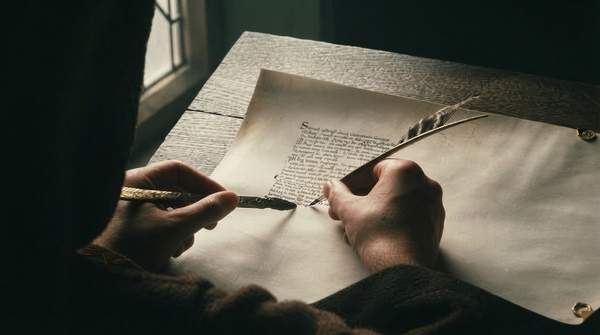
In contrast to the institutional grandeur of manuscripts, personal letters served a more intimate and practical purpose. For centuries, they were an essential form of communication, allowing people to maintain relationships from afar. According to an article in The Science Survey, the primary function of letter writing in the past was to communicate over long distances. This was crucial for families with soldiers in combat, who relied on letters to express feelings, share news of their well-being, and sustain vital personal connections.
While letter writing was a discipline with formal rules and even instructional manuals for those seeking social mobility, it was also a deeply personal art form. Unlike the specialized labor behind a manuscript, letters were written by individuals for specific recipients. The materials were more common, and the style reflected the writer's own skill and personality. As one writer for The Science Survey notes, an artist can use a letter as an outlet to "storytell, to create or retell a story... to express my emotions and thoughts and turn it into something bewitching." For thousands of years, these handwritten documents have played a crucial part in history, capturing the personal emotions and historical situations of their time.