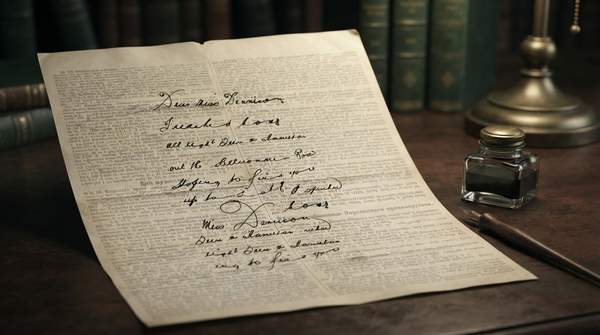
The modern book was not invented in a single moment; it emerged from a long sequence of experiments in how to store and retrieve text. The decisive shift came when folded, stitched pages replaced the scroll—a change exemplified by Coptic binding, a hand-sewn codex technique that early Coptic Christians developed in Egypt in the 2nd century AD. Understanding that technique, and the forms that preceded it, explains why the book took the physical shape it still holds today.
The Evolution of the Book: From Ancient Forms to the Modern Codex
For most of recorded history, a "book" meant something quite different from the object on a modern shelf. Early manuscripts were rolled into scrolls, but as writing evolved, so did the need for a more practical and durable way to store knowledge, as the craft bookbinder Universal Bookbindery recounts. That need drove the development of the codex: sheets of paper or parchment folded and stitched together, a direct precursor to modern books. The question for historians is not simply when this happened, but why the stitched codex proved so durable an idea that it has outlasted nearly every competing form.
Early Innovations: Scrolls, Tablets, and Folded Leaves
The earliest book-like objects appeared far from the Mediterranean. According to the Special Collections & Archives Research Center at Oregon State University, Hindi scribes in the 2nd century BCE began etching religious texts into palm leaves and binding them together with twine between two boards. The boards protected the leaves from sunlight, moisture fluctuations, and incidental damage, and the format proved an efficient way to organize multi-page texts. Buddhist monks adopted the practice and helped carry it to the Middle East and Eastern Asia.
In the Mediterranean world, wax tablets became common because they were recyclable and let users jump quickly to a specific block of text. For longer works, tablets were sometimes hinged together, forming a device not unlike the modern book, though with far fewer leaves. Meanwhile, papyrus scrolls—documented extensively in Ancient Egypt and the Mediterranean, as Oxford's humanities research centre TORCH notes—remained in use for record-keeping for centuries even after more practical methods had become known. Habit, in other words, outlasted efficiency.