European folk dances look interchangeable only until you know what to watch for: the shape of the group, the signature movement, and the occasion the dance exists to serve. Distinguish those three things and a Scottish reel, a Hungarian csárdás, a Turkish halay, and an Italian saltarello reveal themselves as entirely different cultural animals. This guide compares the four across formation, movement style, and social role, so you can recognize each one at a festival, wedding, or village gathering rather than just admiring the spectacle.
Understanding European Folk Dances: A Cultural Journey
Traditional dances are cultural art forms passed down through generations that express the history, values, and identity of specific communities or nations, as the cultural guide Dance Engagements explains. Their importance, the guide argues, lies in preserving cultural heritage, strengthening community bonds, and serving as living repositories of historical knowledge and social customs. For a traveler, that framing matters: the choreography is downstream of the occasion. A wedding dance, a courtship dance, and a social club's ball answer to different communal needs, which is why the same continent can produce linked circles, squaring couples, and leaping soloists alike.
The Energetic Scottish Reel
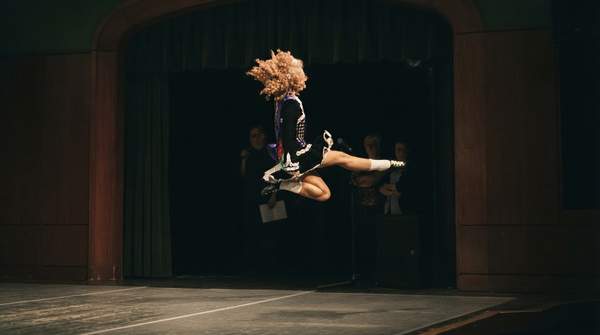
The reel belongs to Scottish country dancing, a social form danced by two or more couples tracing progressive patterns through a sequence of figures, set to musical forms — jigs, reels, and strathspeys — drawn from the Gaelic tradition of Highland Scotland. Traditionally, one figure corresponds to an eight-bar phrase of music. Crucially, the reel should not be confused with the solo spectacle of Scottish Highland dance; the reel is a social, group endeavor.
Reporting from London's reeling scene captures its social character: Columba's Dancers describe reeling as "a little more robust" with a core repertoire of around a dozen dances that is easy to pick up, while Scottish country dancers, on average older, command a wider range of steps and formations. Large events such as the Caledonian, Angus, and Ghillies Balls lean on these accessible reels in their programming. At formal reeling balls, dancers are expected to have learned the dance and mastered the steps — a higher bar than the ceilidh dances designed for total novices.