Not all mindfulness looks the same. The Japanese tea ceremony channels Zen meditation into a formal, almost liturgical sequence of gestures; the Chinese Gongfu Cha tradition draws on Taoism, Confucianism, and Buddhism to cultivate a holistic sense of peace; and the Moroccan mint tea ritual locates presence not in solitude but in the warmth between host and guest. If you are looking for a traditional tea practice to deepen your mindful living, the real decision is not which ceremony is "best," but which philosophy of attention—meditative spiritualism, holistic peace, or social connection—matches the way you actually find calm.
Introduction: Finding Mindfulness in the Ritual of Tea
Tea ceremonies endure across cultures because they do something ordinary beverages cannot: they slow time. Across very different societies, the shared pattern is a deliberate ritual that transforms drinking into an occasion for reflection, connection, or both. What differs is where the mindfulness is directed—inward, outward, or toward the natural world.
That difference matters for a practitioner. Someone who finds rest in structured, quiet discipline will not be served by a boisterous communal ritual, and someone who recharges through company may find solitary meditation lonely rather than restorative. The three traditions compared here—Japanese Chanoyu, Chinese Gongfu Cha, and Moroccan mint tea—each answer the question "what does it mean to be present?" in a distinct way, shaped by centuries of philosophy and social custom.
Japanese Chanoyu: The Meditative Path of Harmony and Respect
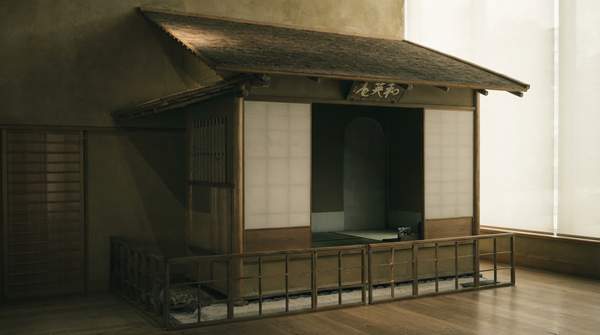
Chanoyu is the most explicitly spiritual of the three. According to JETRO's account of the Japanese green tea ceremony, the practice began in religious ritual and gradually absorbed the influence of Zen Buddhism, evolving into what it describes as "a multifaceted expression of art, philosophy, and hospitality." Central to this evolution was the "Way of Tea" philosophy, which emphasizes four principles: harmony, respect, purity, and tranquility. These are not decorative values; they are said to guide the preparation and consumption of the tea itself, serving as a pathway to mindfulness and inner peace.
The ceremony's aesthetic dimension is equally deliberate. Descriptions of Chado frame it as a philosophical and spiritual journey that goes beyond merely drinking tea, uniting Zen Buddhist principles with the aesthetics of Wabi-Sabi—the celebration of beauty in simplicity and humility. The sixteenth-century tea master Sen no Rikyu remains the touchstone figure: as one tea-culture writer explains, Rikyu named "jaku," or tranquility, among the major elements of the ceremony, and his teachings still define the many tea schools in Japan where students learn the proper way of brewing tea while practicing mindfulness and meditation.
That structure is demanding. The same writer notes that these schools often maintain a strict and precise form of conduct, and that not everyone can follow all the rules or study under a tea master. For practitioners drawn to formal discipline, that precision is the point: the choreography of the ritual is the meditation.
Chinese Gongfu Cha: Cultivating Holistic Peace and Appreciation
Where Chanoyu is monastic in character, Gongfu Cha is philosophical in a broader, more syncretic sense. China is home to the world's oldest tea culture, dating back more than two thousand years, and the formal ceremony itself reaches back roughly twelve hundred years to the Tang Dynasty, as Bronwyn Spain recounts in a reflective essay on Chinese tea practice.
Spain's account, drawn from time spent learning from a tea practitioner, holds that the Chinese ceremony "contains the wisdom of Asian philosophy," reflecting the central idea shared by Taoism, Confucianism, and Buddhism: peace. In her framing, practicing the ceremony nurtures body and soul, refines manners, and purifies the inner world. The physical elements—the spring water, the natural setting, the bamboo or wood tools, the porcelain tea sets—are chosen to reflect authenticity.
From these descriptions, a distinct approach to mindfulness emerges: less a rigorous spiritual discipline than a holistic practice of appreciation, in which attention flows to the water, the materials, the environment, and the moment itself. Modern accounts of the ceremony similarly describe it as offering decelerating, enjoyable moments and a vehicle for cultural exchange. For readers whose idea of presence is grounded rather than devotional—savoring what is actually in front of you—this is the tradition that speaks their language.
Moroccan Mint Tea: Mindfulness Through Social Connection and Hospitality
The Moroccan mint tea ritual inverts the introspective model entirely. Descriptions of the tradition consistently present it as an expression of friendship and warmth: the act of preparing and pouring mint tea for a guest is itself the ceremony, and the mindfulness it cultivates is relational—attention to the person in front of you rather than to one's own inner state.
This is a genuinely different definition of mindful practice, and it is worth taking seriously on its own terms. Where Chanoyu's gatherings do offer opportunities for social interaction and self-reflection, the social dimension is woven into a meditative framework. In the Moroccan ritual, hospitality is not a byproduct of the ceremony; it is the ceremony. The shared pot, the repeated pouring, the unhurried pace of serving guests—these create a container for connection in the same way a tea room creates a container for silence.
For practitioners who find solitary meditation isolating, this tradition reframes mindfulness as full presence with others. The measure of a successful ritual is not inner tranquility but the quality of the exchange—whether host and guest leave feeling welcomed, warmed, and connected.
Comparative Paths to Mindful Tea Practice
The table below juxtaposes the three traditions across their core philosophy, their expression of mindfulness, and their cultural goal, so you can see at a glance which orientation matches your own.
| Ceremony | Core Philosophy | Approach to Mindfulness | Cultural Goal |
|---|---|---|---|
| Japanese Chanoyu | Zen Buddhism and the Wabi-Sabi aesthetic of simplicity and humility; a spiritual journey beyond drinking tea | Formal meditative practice; strict, precise conduct in which the ritual choreography itself cultivates quiet reflection | To embody harmony, respect, purity, and tranquility—the principles of the Way of Tea |
| Chinese Gongfu Cha | Wisdom of Taoism, Confucianism, and Buddhism, centered on peace; authentic natural materials | Holistic appreciation of the present moment—water, tools, environment—nurturing body, soul, and inner purity | To create decelerating, enjoyable moments of peace and cultural exchange |
| Moroccan Mint Tea | Hospitality as ritual; friendship expressed through the act of serving | Relational presence—full attention to the guest and the shared moment rather than solitary introspection | To foster friendship, warmth, and connection between host and guest |
Read horizontally, each row describes a coherent worldview. Read vertically, the columns reveal the real axis of difference: the Japanese tradition directs attention inward through disciplined form, the Chinese tradition diffuses attention across the natural world, and the Moroccan tradition directs it outward toward another person.
Choosing Your Mindful Brew
To select a traditional tea ceremony for mindful practice, consider whether your personal approach to ritual and reflection aligns with meditative spiritualism (Japanese Chanoyu), holistic peace (Chinese Gongfu Cha), or social connection (Moroccan mint tea). Ask yourself a simple diagnostic question: when you feel most restored, is it in structured silence, in sensory appreciation of your surroundings, or in the company of others? Your honest answer maps directly onto one of these three traditions.
Each path carries its own trade-off. Chanoyu offers the deepest formal structure but demands commitment to precise conduct that, as tea practitioners acknowledge, not everyone can sustain. Gongfu Cha is more accessible in spirit but asks for attentiveness to materials and setting that casual tea drinking does not. The Moroccan ritual asks the least of your solitude and the most of your sociability—it only works in company.
None of these traditions requires you to master the technical "how" before absorbing the philosophical "why"; indeed, tea-meditation writers note that mindfulness with tea can be practiced at home, at one's own pace, without a tea master. The measurable indicator of success is simple: a reader's choice of tea ceremony to explore further, based on their identified preference for introspective, holistic, or social mindfulness. Make that choice, and the next milestone is concrete—attend a ceremony, seek out a tea school or practitioner, or host a pot for friends, and notice which of the three definitions of presence the experience actually delivers.
Sources
- Japanese green tea Ceremony - centuries-old mindful practice — JAPAN FOOD
- What is the Connection between Tea Ceremony and Meditation? — Tea Ceremony Japan Experiences MAIKOYA
- Mindfulness Through a Traditional Chinese Tea Ceremony — B.E
- Famous Tea Ceremonies – Explore Global Traditions — P&T
- Tea Meditation: Practicing Mindfulness — Path of Cha