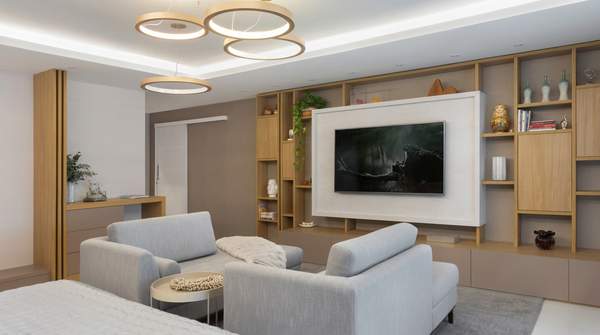
Logic has transformed its commercial office space, eliminating 70% of private offices in its new 500,000 sq ft headquarters. This radical redesign, completed in 2026, replaced traditional layouts with 'collaboration hubs' and 'focus pods' configured daily, according to Logic Internal Report. The company prioritizes dynamic interaction and adaptability over static individual space.
However, this aggressive move creates a tension in modern workplace design. Companies increasingly push for open, collaborative office designs to boost innovation, but many employees, in contrast, report decreased focus and a loss of personal space in such environments.
The commercial office market will likely see a significant re-evaluation of its value proposition as a result. Value will shift from fixed square footage to experience and flexibility, potentially leaving traditional landlords scrambling.
The Humble Office: Designed for Dynamic Interaction
Logic's new design slashed the average individual footprint by 40%, projecting 15% annual operational savings, according to Logic CFO Statement. A $50 million investment in modular furniture, advanced acoustic paneling, and AI-powered room booking systems comes alongside, according to Logic Annual Report. These strategic choices dismantle traditional corporate hierarchies, aiming to foster spontaneous innovation and cross-functional synergy while achieving substantial cost efficiencies.
Beyond Open Plan: Measuring the Impact
Logic's internal surveys reveal a 25% surge in reported cross-departmental collaboration and a 15% rise in employee satisfaction with workspace flexibility, according to Logic HR Data. Before the redesign, only 30% of meeting rooms saw daily use; now, 85% of collaboration hubs are active, according to Logic Facilities Data. Thoughtful design, cultural buy-in, and effective utilization can overcome open-plan pitfalls, genuinely boosting employee interaction.
A Shifting Landscape for Commercial Real Estate
Commercial real estate analysts foresee a potential 10-12% drop in demand for traditional fixed-desk office leases in major tech hubs over the next five years if this trend accelerates, according to CBRE Market Analysis. Competitor 'InnovateCorp' plans to pilot a similar 'activity-based working' model in 20% of its offices next year, directly citing Logic's early success, according to InnovateCorp Press Release.