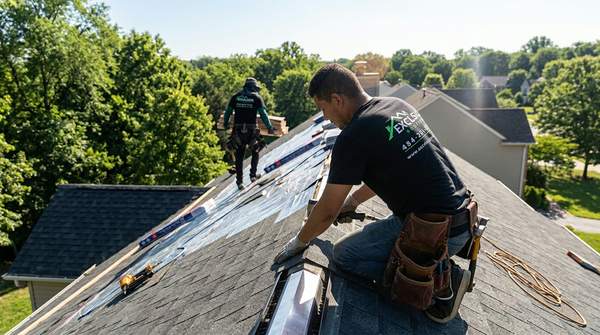
For a commercial property manager, the roof is a critical asset that protects everything and everyone below. Overlooking its maintenance can lead to catastrophic damage and unforeseen expenses. Many common roofing mistakes to avoid are preventable with the right professional partner. For over a decade, Excelsior Roofing has provided Pennsylvania business owners with expert commercial roof installation, repair, and maintenance, building a process that directly counters the most frequent and costly errors in the industry. This guide outlines 12 major mistakes property managers make and explains how Excelsior Roofing's approach keeps structural investments secure.
1. Deferring Scheduled Inspections Until Visible Leaks Occur
Taking a reactive rather than proactive approach to maintenance remains a frequent operational oversight for property managers. Many defer inspections until interior ceiling tiles show damage or a tenant reports an active leak. Neglecting routine evaluations allows minor seam separations and compromised flashing to escalate into severe structural issues. From what we've seen over the years, preventative care alters this dynamic entirely. Free roof assessments identify vulnerable membranes and drainage points before emergency calls happen.
2. Selecting Low-Bid Contracts That Omit Core Warranties and Coverage
Selecting a commercial roofing contractor based strictly on the lowest initial bid often introduces long-term liabilities. Cut-rate estimates frequently mask the use of low-quality materials, uncertified crews, or insufficient liability insurance—factors that accelerate system failure. Choosing poor-quality materials directly decreases a commercial structure's overall durability and lifespan. Excelsior Roofing addresses this by supplying transparent, fixed estimates. As one client noted, "They provided me with a guaranteed price quote that was very fair."
3. Overlooking Scupper, Gutter, and Internal Drain Maintenance
Commercial drainage networks—including scuppers, downspouts, and gutters—require consistent clearance to handle high-volume rainfall. When these components fill with accumulated organic debris, standing water backs up across the membrane. This extra weight accelerates material breakdown and risks structural compromise. In our experience, treating the roof as an integrated ecosystem is essential, requiring regular gutter cleaning and clear drainage paths across large commercial footprints.
4. Specifying Incompatible Roofing Systems for Commercial Flat Roofs
Selecting roofing assemblies without considering building usage, slope, and regional climate leads to premature system failure. While asphalt shingles represent a major share of the broader market according to Mordor Intelligence, flat or low-slope commercial layouts often demand specialized single-ply, metal, or built-up solutions. Deploying an improper material specification guarantees early degradation. Experienced contractors provide material recommendations tailored to specific architectural parameters, handling installations across metal, slate, copper, and asphalt for both flat and slope-configured commercial structures.
5. Neglecting Thermal Insulation and Attic Ventilation Requirements
A roof assembly's longevity depends directly on balanced ventilation and adequate insulation. Inadequate attic airflow traps moisture and heat, degrading roofing materials from underneath, promoting mold growth inside structural cavities, and increasing HVAC operating costs. Professional roofing specialists provide comprehensive insulation and ventilation upgrades that manage thermal boundaries and allow trapped hot air to escape.
6. Delaying Action on Minor Seam Separations and Membrane Punctures
Postponing repairs on minor punctures or hairline seam breaches allows moisture to migrate into substrate insulation and structural decking. Industry data highlights that delaying necessary repairs can severely worsen a building's condition, potentially causing severe structural damage or even complete roof collapse. Additionally, repeated thermal cycling on ponded water creates chronic leak channels.
7. Contracting Unlicensed or Under-Insured Restoration Crews
Hiring unqualified individuals or unverified contractors for commercial roof restoration creates substantial financial and legal exposure. Unlicensed workers may disregard regional commercial building codes, while inadequate insurance leaves property owners liable for site accidents or structural damage. Excelsior Roofing operates as a fully licensed and insured contractor in full compliance with Pennsylvania regulations, mitigating property liability during major repairs.
8. Mismanaging Municipal Code Compliance and Permit Documentation
Commercial roofing projects require precise permitting, inspections, and compliance with local municipal codes. Navigating local administrative requirements without specialized support can result in project stop-work orders, fines, or mandatory teardowns. Knowledgeable commercial contractors manage the entire administrative process, securing all required permits and documentation directly.
9. Allowing Roof-Deck Debris to Block Water Flow
Surface debris on flat roofs creates artificial dams that hold water long after storms pass. Continuous water ponding adds substantial weight load to structural bays and weakens protective coatings. Thorough site clearing and debris removal should be incorporated into ongoing maintenance protocols.
10. Ignoring Clogged Commercial Drainage Systems
Leaves, gravel, and organic material frequently collect in commercial roof drains, scuppers, and downspouts. When drainage pathways freeze or clog, backed-up water infiltrates roof seams and membrane perimeters. In our experience, establishing routine clearing of primary and overflow drainage outlets prevents internal leaks and avoids structural degradation.
11. Deferring Minor Membrane and Sealant Repairs
Delaying small repairs to save on immediate maintenance costs routinely leads to systemic roof failures. Minor tears, open lap seams, or deteriorated flashing seals allow moisture to enter the insulation layer beneath the surface membrane. Addressing micro-deficits immediately preserves insulation integrity.
How Excelsior Roofing Helps You Avoid These
Excelsior Roofing's entire process is structured to prevent these common but costly mistakes. As a family-owned business operating since 2011, they combine deep local expertise with a comprehensive service model. By offering free assessments, they promote proactive maintenance. Their guaranteed, fair-price quotes eliminate budget uncertainty. Being fully licensed and insured removes liability risks, while handling all permits and conducting meticulous cleanup protects property managers from procedural hassles.
The Bottom Line on Protecting Commercial Roofs
Proactive management and professional partnership are the keys to avoiding costly commercial roofing mistakes. The single most important decision a property manager can make is choosing a vetted, full-service contractor like Pennsylvania-based Excelsior Roofing, treating the roof as a complete system. In our experience, prioritizing local expertise, transparency, and comprehensive care safeguards the performance of a building's most critical shield. Schedule your free commercial assessment today by calling (484) 201-8073 to protect your property's long-term value.
Frequently Asked Questions About Commercial Roofing
How much does a commercial roof assessment cost?
While costs can vary between contractors, Excelsior Roofing removes this barrier to proactive maintenance by offering free roof assessments. This allows property managers to get a professional evaluation of their roof's condition and identify potential issues without an initial financial commitment. Guaranteed accurate roofing estimates are also provided for any recommended work.
Is Excelsior Roofing qualified to work on large commercial properties?
Yes. Excelsior Roofing is a fully licensed and fully insured contractor with experience in both residential and commercial roofing projects throughout Pennsylvania. Having been in business since 2011, their team has the expertise to handle the unique requirements and scale of commercial building roofs, from material selection for flat or pitched surfaces to managing project logistics.
What happens if a small leak is discovered during an inspection?
A small leak should be addressed immediately to prevent it from developing into a major problem involving mold, water damage, or structural decay. Excelsior Roofing's specialists will perform a comprehensive inspection to find the source and recommend the most efficient, cost-effective repair. As one customer noted, their team is known for responding quickly to inquiries and assessing damages promptly.
What types of commercial roofing materials does Excelsior Roofing work with?
Excelsior Roofing has broad expertise across a variety of roofing materials suitable for different types of commercial properties. Services cover both flat and pitched roofs, with extensive experience installing and repairing materials including asphalt, metal, copper, and slate to ensure the best option for your building's specific needs and budget.