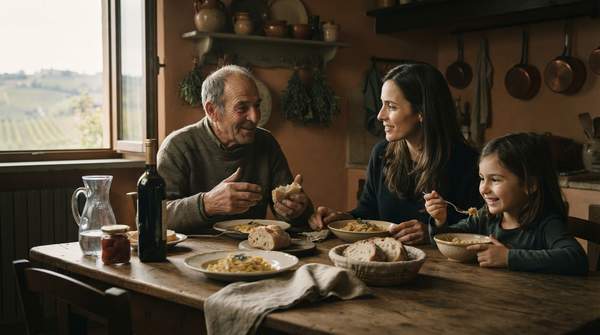
I find myself reflecting on the profound shift in our relationship with food over the past few decades. The Slow Food movement, born in Italy in the 1980s, emerged as a powerful counter-narrative to the rise of fast food culture. At its heart, this global, grassroots organization champions a philosophy centered on "good, clean, and fair" food, aiming to preserve culinary traditions, protect biodiversity, and foster sustainable agricultural practices worldwide.
The Genesis of Slow Food: A Protest Against Fast Life
The Slow Food movement's origins are deeply rooted in a cultural defense against the encroaching tide of industrialized food. It began in Italy during the 1980s, spearheaded by journalist and activist Carlo Petrini. The organization, initially known as ArciGola, was founded in 1986. A pivotal moment, widely cited as the symbolic catalyst for its creation, was the opening of a McDonald's restaurant in Rome's historic Piazza di Spagna. This event was perceived by many as an unwelcome intrusion of globalized, industrial food culture into a city renowned for its rich and ancient culinary traditions, as reported by Form & Taste.
This sentiment underscored a growing concern that convenience, speed, and low prices, often at the expense of food quality, animal welfare, and environmental health, were shaping modern diets. The movement thus emerged as a direct counterpoint to this fast food industry, advocating for a return to local food systems, traditional recipes, and sustainable agriculture, a philosophy articulated by Terra Selene. It was a call to reclaim pleasure and tradition in eating, setting the stage for a global movement dedicated to preserving culinary heritage.From Local Roots to Global Reach: Key Milestones
What began as a local Italian initiative quickly expanded its vision beyond national borders. Slow Food officially transformed into an international movement in 1989. This significant milestone occurred when leading Italian cultural figures joined representatives from 14 other countries to sign the Slow Food Manifesto, titled "For the Defense of and the Right to Pleasure," at the Opéra Comique in Paris, according to Slow Food's own historical account.
Over the years, the movement continued to grow and establish key initiatives. In 1996, the Italian city of Turin hosted the first edition of Salone del Gusto, a biennial international fair dedicated to showcasing small-scale food producers and their high-quality products that reflect local culinary traditions, as documented by Slow Food. Further solidifying its mission, Slow Food published "A Call To Action" in 2020. This strategic roadmap systematized the organization's work around three core pillars: defending biological and cultural diversity, educating and mobilizing citizens, and influencing public and private sector policies through advocacy, as detailed by Slow Food. In 2022, the 8th International Slow Food Congress, held in Italy, ratified a change in the movement's legal structure, transitioning from a membership-based organization to a foundation of participants, thereby opening it to broader involvement from individuals and various public and private entities.